


We're here to help
We know every bill can raise questions about your energy use. Whether you're looking to understand a recent increase, explore ways to manage energy costs or learn more about your bill, we're here to help.
Understanding your energy bill
Your energy bill can change from month to month based on weather, the number of days in your billing period and changes in your energy use.
NorthWestern Energy provides tools, information and personal assistance year-round to help you understand your energy use and monthly bill.
Have questions about your bill? Contact our customer care team. We can review your bill, explain your energy use and discuss resources that may help you manage energy costs.
- Montana: 888-467-2669
- South Dakota/Nebraska: 800-245-6977
Or visit one of our walk-in offices during the week. Find office locations and hours.
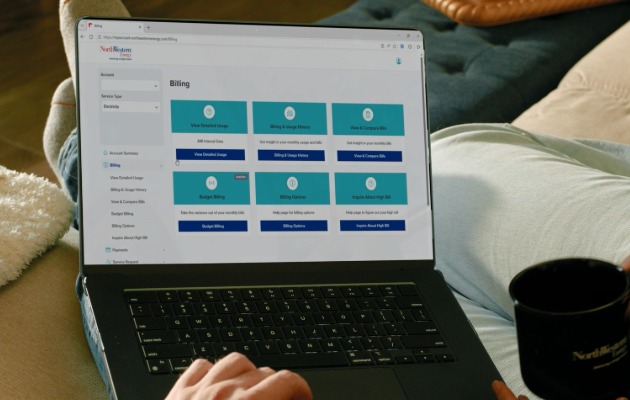
Explore your energy use
Understanding when and how you use energy is one of the best ways to manage costs.
With Detailed Energy Use in My Energy Account, you can view monthly, daily and hourly energy use to better understand what's driving changes in your bill.
Find the latest information about Montana rates
We’re committed to keeping you informed about your energy rates and helping you understand what’s changing. Learn about recent or upcoming changes that may affect your monthly energy bill, or view current Montana rates, tariffs, rules and regulations.
Why is my energy bill higher?
Even when your daily routine stays the same, your equipment may need to work harder during periods of extreme temperatures, which can increase energy use.
So many things can influence your monthly energy bill. Just a few examples are:
- Weather conditions
- The number of days in your billing period
- Heating and cooling needs
- Changes in household energy use
- Use of appliances, irrigation equipment or other electric devices
- Time spent at home
- Changes in rates and billing factors
We're here to help
If you need help managing energy costs, we offer programs and resources that may help. Reach out to us right away. We have billing and payment options that may help.
Payment Assistance
If you are worried about your ability to pay a higher energy bill, there are payment assistance programs available.
Budget Billing
With Budget Billing, your NorthWestern Energy bill is the same amount each month, year round.
PAYMENT ARRANGEMENTS
We can also explore a payment arrangement if your account qualifies. Log in to your My Energy Account for payment and billing program information. Or call our Customer Service Team at 800-245-6977 to discuss additional options.
Facts about Montana Rates
We’re committed to keeping you informed about your energy rates and helping you understand what’s changing. Explore recent rate updates that may affect your monthly bill or view current Montana rates, tariffs, rules and regulations.
Be Energy Efficient
Save money by being more energy efficient. Check out our top-10 low-cost or no-cost tips for energy efficiency.
Weather can affect your energy use
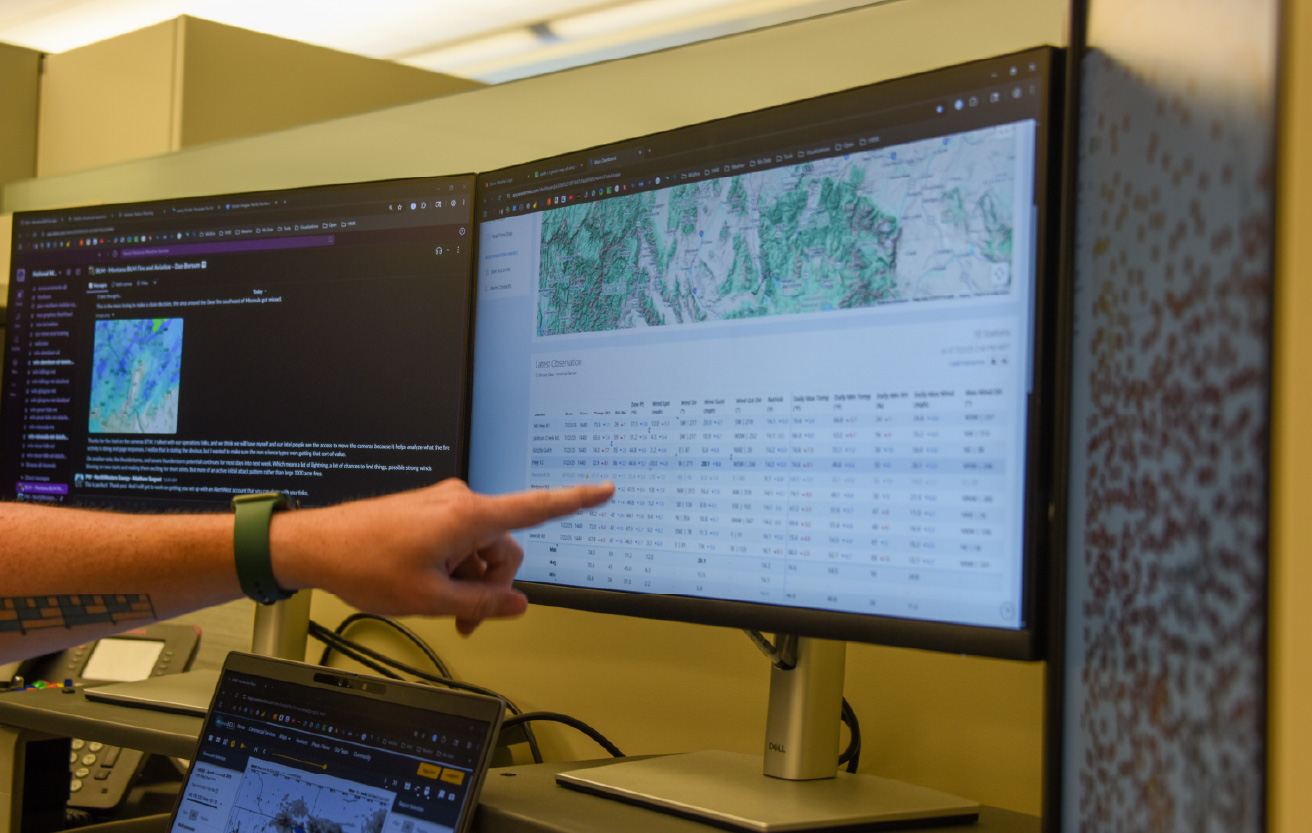
Weather can affect your energy use
Weather is one of the biggest factors affecting monthly energy use.
During periods of extreme temperatures, heating and cooling systems may run longer to maintain indoor comfort. Wildfire smoke may also increase the use of air conditioners, air purifiers and fans.
Simple ways to save energy this winter
From sealing air leaks to improving insulation, these winter energy-saving tips can help your home stay warmer while using less energy.
EVALUATE YOUR INSULATION LEVELS
Adding insulation will help keep your home warm in the winter and cool in the summer. Note: In the winter, cold floors and walls are signs of a poorly insulated home.
Adjust your thermostat
When you are home and awake, set the thermostat as low as is comfortable. When you are asleep or out of the house, turn the thermostat back to save as much as 10% a year on your heating bills.
Reduce Heat Loss from your Fireplace
Keep the fireplace damper closed unless a fire is burning. Keeping the damper open is like keeping a window wide open during the winter.
Cover Drafty Windows
Use a heavy-duty, clear plastic sheet on a frame or tape clear plastic film to the inside of window frames during the cold winter months. You can also install tight-fitting, insulating drapes or shades on windows that feel drafty.
Lower Holiday Lighting Costs
Use light-emitting diode, or "LED," holiday light strings to reduce the cost of decorating the home for the winter holidays.
Take Advantage of Heat from the Sun
Open curtains on the south-facing windows during the day to allow sunlight to naturally heat the home, and close them at night to reduce the chill from cold windows.
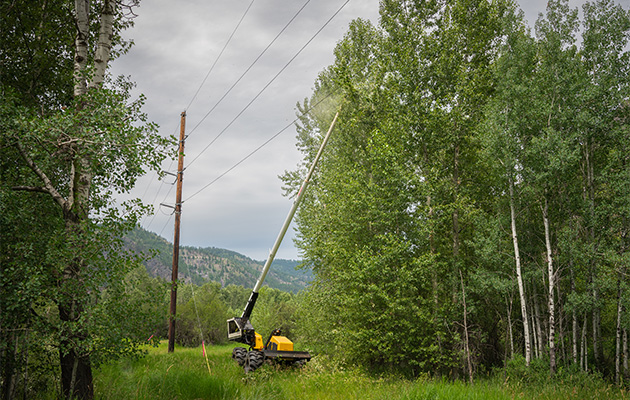
The work behind a safer, more reliable grid
Keeping power flowing safely takes more than maintaining power lines. It takes year-round planning, skilled crews and strong partnerships working together to reduce wildfire risk, improve reliability and protect the communities we serve.
See what your bill supports
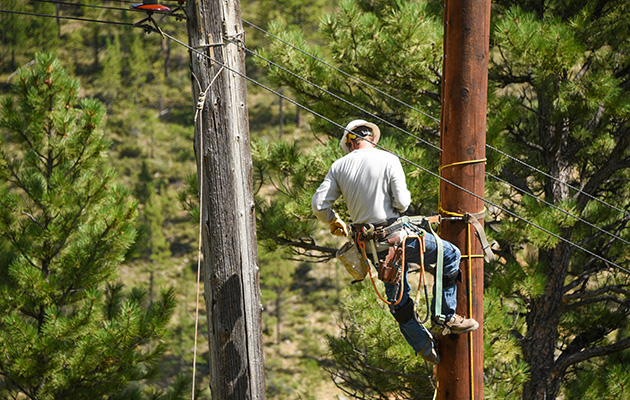
See what your bill supports
Your energy bill helps support the infrastructure, maintenance and ongoing work required to safely deliver reliable energy to homes and businesses across our service territory.
Track your energy use in My Energy Account
With My Energy Account, you can visually track your energy use, month-to-month and year-over-year. Understanding your energy use can help you develop habits to save energy and money.
Understanding usage data and trends
Learn how usage information is calculated and how to compare changes over time.
What is the difference between total energy use and average daily energy use?
- Total energy use is the amount of electricity used during the entire billing period.
- Average daily energy use divides the total use by the number of billing days. It can help you compare billing periods with different numbers of days.
How is the Average Daily Temperature on my bill calculated?
We determine the average temperature for each day in your billing period and then average those daily temperatures together.
How can I tell whether I used more electricity?
Your bill includes up to 13 months of energy-use history, average daily use and temperature information. You can also use the Detailed Energy Use tool in My Energy Account to view monthly, daily and hourly energy use.
Understanding your energy usage
Learn how weather, equipment and everyday energy use can affect your consumption and monthly bill.
Can irrigation or outdoor equipment affect my bill?
Yes. Electric well pumps, irrigation pumps and other outdoor equipment can increase electricity use, especially during hot and dry weather. Longer or more frequent watering cycles require pumps to operate more often.
Something to consider: Did your watering schedule change, or does your irrigation system use an electric pump?
Can wildfire smoke affect my electricity use?
Yes. During smoky conditions, you may keep windows closed and use air conditioning, fans or air purifiers more often to maintain comfort and indoor air quality. The EPA recommends portable air cleaners and high-efficiency HVAC filtration as options for reducing indoor smoke.
Something to consider: Did you use an air purifier, portable air conditioner or additional fans during the billing period?
What home equipment may use more electricity during hot weather?
Several systems and appliances may operate longer or more often when temperatures rise:
- Air conditioners and heat pumps: Cooling is one of the largest home energy expenses. Change or clean filters regularly, use a programmable or smart thermostat and close blinds or curtains during the hottest part of the day. Check filters monthly during heavy-use periods and changing them when dirty.
- Fans: Ceiling fans, portable fans and whole-house fans use electricity. Fans may help reduce the need for air conditioning when conditions allow, but they should be turned off when they are not needed.
- Air purifiers: Air purifiers may operate more often during wildfire smoke events. Use a unit sized for the space and maintain filters according to the manufacturer’s instructions.
- Dehumidifiers: Dehumidifiers may run more often when indoor humidity increases. Choose the right capacity for the space.
- Electric well and irrigation pumps: Hot and dry weather may lead to longer or more frequent watering cycles. Check for leaks, water only as needed and review whether your watering schedule changed. Pumping and pressurizing water require energy, so operating an irrigation system more often can increase electricity use.
How much does weather affect my energy use?
Weather is often the biggest factor affecting energy use. During extreme heat or cold, heating and cooling systems typically run longer and use more energy.
My thermostat is set the same as last year. Why is my bill higher?
Your thermostat controls the indoor temperature, not how long your system runs. When outdoor temperatures are more extreme or remain hot or cold longer, your system may use more energy to maintain the same setting.
I have not changed anything. Why did my energy use increase?
Your habits may be the same, but your heating or cooling system may have run longer during extreme weather to maintain a comfortable indoor temperature.
Why is my energy bill different from last year?
Weather, billing days and changes in energy use can all affect your bill. Even if your routine has not changed, your heating or cooling equipment may have needed to work harder to keep your home comfortable.
Understanding your bill
Get answers about billing periods, meter readings and charges that may affect your bill amount.
How do I know my meter is working correctly?
NorthWestern Energy tests and verifies meters to help ensure accuracy. If you have concerns about your meter, please contact us.
Was my bill estimated?
Most bills are based on actual meter readings. If an estimated reading was used, it will be identified on your bill.
Was there a mistake on my bill?
Most bills are based on actual meter readings. If something does not look right, contact us and we will review your bill with you.
Could a few extra billing days make my bill higher?
Yes. A longer billing period includes more days of energy use. Weather and changes in daily energy use may also affect the total bill.
Why does the number of days on my bill change?
Billing periods are typically about 30 days, but they may vary slightly because of weekends, holidays and differences in the calendar.
My bill is higher than I expected. What should I look at first?
Review the weather during your billing period, the number of billing days and your energy use compared with previous months. Extended periods of hot or cold weather are often the biggest drivers of higher energy bills.
Need more answers?
We're here to support you every step of the way.
Still have questions about your bill?
We are here to help. Contact NorthWestern Energy by phone at 888-467-2669, Montana or 800-245-6977, South Dakota and Nebraska or visit one of our Walk-In Offices.
We can review your bill, explain your energy use and discuss resources that may help you understand and manage your energy costs.
What tools are available to help me manage my energy costs?
NorthWestern Energy offers:
- Detailed Energy Usage information through My Energy Account
- Up to 13 months of energy-use history on your bill
- Montana customers may qualify for Free Home EnergyCheck and Home Energy Survey services
- Energy-efficiency resources and tips
- Budget Billing
- Payment plans and connections to energy-assistance programs for eligible customers
Find more ways to save
From tax credits to energy-saving tips, there are many ways to help save on your monthly energy bill.
Need to contact us?
Whether you have a question about your account, need assistance or want to report an issue, our Customer Care team is ready to help.
Explore ways to connect with us